Electricity bills keep climbing, load shedding has not gone away — and in 2026 the rules for selling solar power to the grid have changed. So is a solar system for home in Pakistan still worth it? For most households, yes — if you size it correctly and use the power in the daytime. This guide explains the new net-billing rules, how to choose between on-grid, off-grid and hybrid, how many panels and how much battery you really need, and the mistakes that waste money. We even built a free calculator so you can size your system in 10 seconds.
Quick answer
- Is solar still worth it? Yes — every unit you use yourself saves you the full grid price, which is far more than you now earn by exporting.
- Best system type for most homes: a hybrid system, because it works during outages and still reduces your bill.
- Most popular size: 5 kW for an average home, 3 kW for smaller homes, 10 kW for large houses and shops.
- Best battery today: LiFePO4 (lithium iron phosphate) — it costs more upfront but lasts several times longer than lead-acid.
- Do not oversize just to export power; size for what you actually consume.
What changed in 2026: net metering is now net billing
Under the old net-metering system you were credited roughly one unit for every unit you sent to the grid, so a big system could wipe out your bill. Under NEPRA’s 2026 prosumer rules, new applicants move to net billing: electricity you import is charged at the normal DISCO tariff, while electricity you export is credited at a much lower rate. Reported export rates range from about Rs. 8 to Rs. 13 per unit, depending on the source and distribution company, against the Rs. 22–27 or more that you pay for imported units. Existing net-metering customers are generally allowed to keep their old terms.
| Topic | Old net metering | New net billing (new applicants) |
|---|---|---|
| Export credit (sell to grid) | About one unit credited for one unit exported | Much lower rate per unit than you pay for imports |
| Import price (buy from grid) | Offset against your exports | Full DISCO tariff, slab-based |
| Who it applies to | Existing net-metering consumers | New applicants under the 2026 NEPRA rules |
| Best strategy | Export as much as possible | Use the power yourself during the day |
What this means for you: the best system is no longer the biggest one. It is the one that matches your daytime usage, so most of your solar power is used at home instead of exported cheaply. Also remember that system size is generally limited by your sanctioned load. Rules and rates can change, so always confirm the latest figures with your DISCO or installer before you sign anything.
On-grid vs off-grid vs hybrid: which type do you need?
| Type | Needs the grid? | Battery? | Works in a power cut? | Best for |
|---|---|---|---|---|
| On-grid (grid-tie) | Yes | No | No — shuts off when the grid goes down | Lowest cost, small-to-medium bills, rare outages |
| Off-grid | No | Yes (large) | Yes | Remote houses, farms, no grid |
| Hybrid | Yes | Yes (optional / small) | Yes | Most Pakistani homes with load shedding |
- On-grid: cheapest, but for safety it shuts down when the grid fails. If your area has long outages, you will still sit in the dark.
- Off-grid: fully independent, but needs a large battery bank and careful sizing. Ideal for farmhouses and remote locations.
- Hybrid: panels, hybrid inverter and battery in one system. It powers your home from the sun, charges the battery, falls back to the grid, and keeps your essentials running during outages.
Free solar size calculator
Take your average monthly units from a recent electricity bill (use a summer month if your usage jumps in summer) and let the calculator do the rest.
Free solar size calculator
Enter your numbers — get an estimate in seconds. (Estimate only; your installer must confirm after a site survey.)
How to size your solar system (step by step)
- Find your monthly units. Check your last 6–12 bills and note the average (and the summer peak).
- Convert to daily units. Divide monthly units by 30.
- Divide by what 1 kW produces. In most parts of Pakistan, 1 kW of panels produces roughly 4–5 units a day on average. A conservative figure of 4.2 gives the system size in kW.
- Round up to a standard size. 3 kW, 5 kW, 8 kW or 10 kW.
- Check your roof. Each 550W panel needs about 2.6 square metres, with space to walk around and clean.
| System size | Panels | Approx. units per month | Typical home |
|---|---|---|---|
| 3 kW | 6 – 7 panels (550W) | ~350 – 450 units | Small home, 1–2 ACs in daytime |
| 5 kW | 9 – 10 panels (550W) | ~600 – 750 units | Medium home, the most popular size |
| 10 kW | 18 – 19 panels (550W) | ~1,200 – 1,500 units | Large house, shop or small workshop |
Inverter size matters too
Your inverter must handle the total load that runs at the same time, plus the starting surge of motors in air conditioners, water pumps and refrigerators, which can be several times their running power. An undersized inverter trips; a hugely oversized one wastes money.
Which battery is best for home solar: lead-acid or LiFePO4?
If you want power during load shedding, the battery is the heart of the system — and often the biggest cost. There are two main choices.
| Feature | Lead-acid (tubular) | LiFePO4 (lithium iron phosphate) |
|---|---|---|
| Typical cycle life | About 500 – 1,500 cycles | About 3,000 – 6,000 cycles |
| Usable capacity | ~50% (deeper discharge shortens life) | ~80 – 90%+ |
| Weight and size | Heavy and bulky | Much lighter and compact |
| Maintenance | Distilled water top-ups (flooded types) | Practically none |
| Upfront cost | Lower | Higher — usually cheaper per cycle over its life |
| Best for | Tight budgets, short backup needs | Daily cycling, long-term value |
For daily use, LiFePO4 is usually the better long-term buy: more usable energy, far more cycles and no routine maintenance. Lead-acid still makes sense when the budget is tight or backup is only needed occasionally.
How much battery do you need?
Multiply the power of the loads you want to back up by the hours you want them to run, then divide by the usable fraction of the battery. For example, 500 W of fans, lights, router and TV for 6 hours is 3 kWh. With a LiFePO4 battery that is about 80–90% usable, you need roughly a 3.5–4 kWh battery. Our calculator above does this for you.
A note on LiFePO4 cells and DIY packs
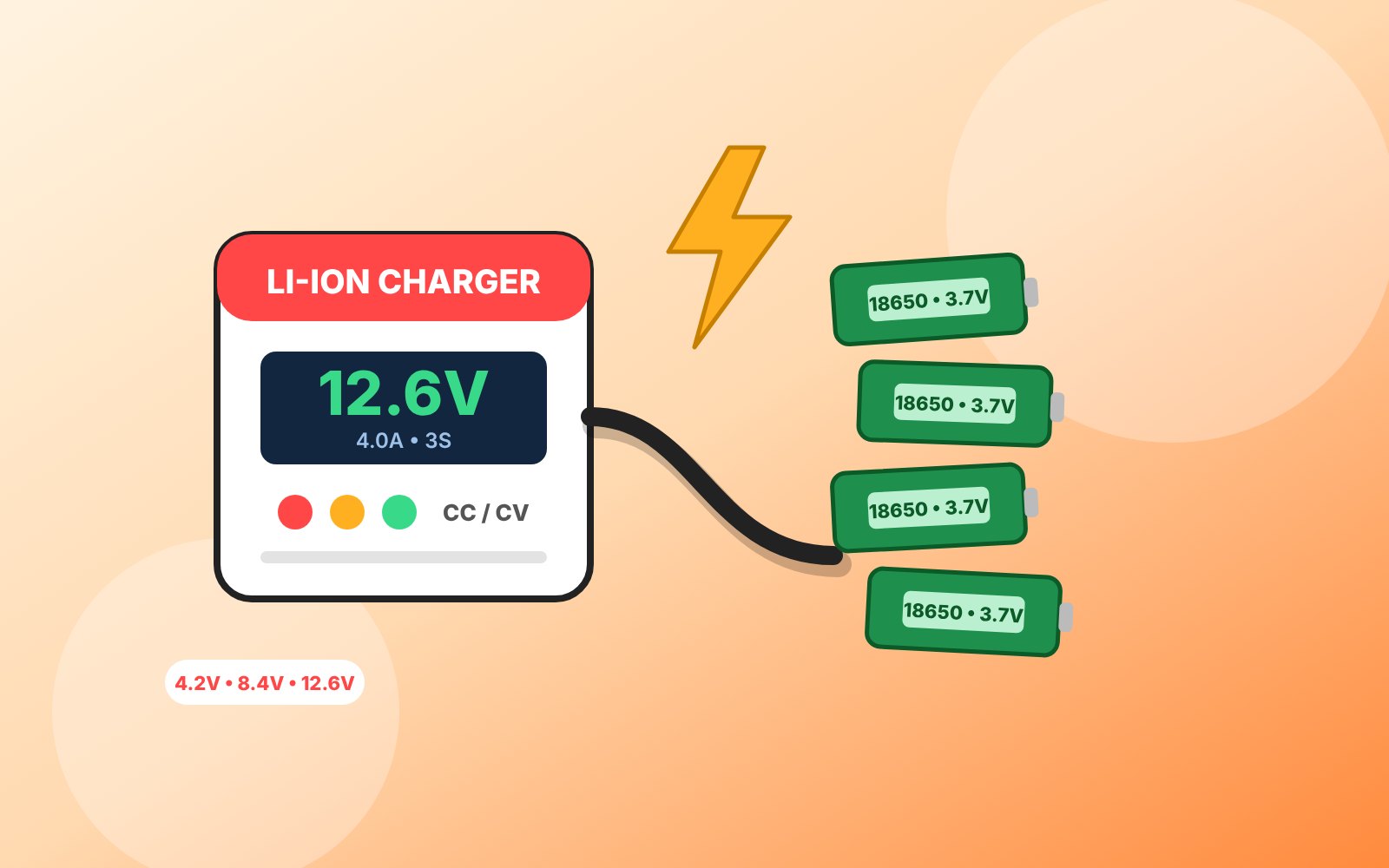
LiFePO4 cells are rated at 3.2V each; four in series make a 12.8V pack and sixteen make the 51.2V pack used in many 48V home batteries. If you build your own pack, you must use a proper battery management system (BMS) and a charger made for LiFePO4. Never charge LiFePO4 with a charger made for ordinary 3.7V lithium-ion cells — they have different charging voltages. If you are not experienced, buy a ready-made, certified battery.
Batteries and cells in stock
 RUNHOOD 324Wh Energy Bar 324 (EB324) Modular Battery Pack…
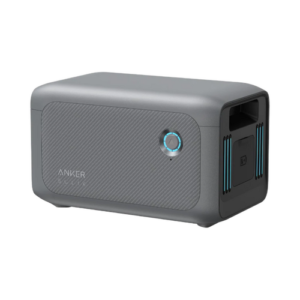 Anker SOLIX BP1000 Expansion Battery | Portable Power Station…
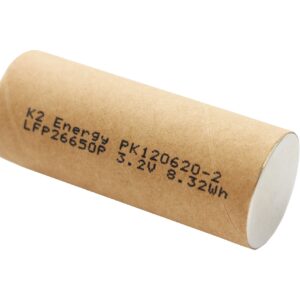 K2 Energy LFP26650P 3.2V 2600mAh LiFePO4 Battery Cell in…
What decides the cost of a solar system?
Prices move often with the dollar rate, panel supply and tax changes, so any number printed in an article goes out of date quickly. Instead of guessing, understand what you are paying for and compare written quotes from at least three installers:
- Panels: brand, wattage and warranty (look for a tier-1 manufacturer and a long performance warranty).
- Inverter: on-grid or hybrid, capacity, brand and warranty length.
- Battery: chemistry and capacity (kWh) — usually the largest single item in a hybrid system.
- Structure: galvanised steel is worth paying for; rust ruins cheap structures.
- Cables, breakers and protection: DC cable thickness, MC4 connectors, DC and AC breakers, surge protection and earthing.
- Installation and net-billing paperwork: labour, commissioning and DISCO approval, if you are exporting.
Installer guides estimate that a well-sized system that you use mainly in the daytime can pay for itself in roughly 3.5–5 years, while oversized systems take longer. Treat that as a guide, not a promise.
7 expensive solar mistakes to avoid
- Buying the biggest system possible to export power, when export rates are now low.
- Choosing the cheapest battery. A poor battery can fail in a year or two and cost more than a good one.
- Using thin DC cables. Undersized cables waste power as heat and are a fire risk.
- Skipping earthing and surge protection. Lightning and surges kill inverters.
- Ignoring shade. Even a small shadow from a water tank can cut a whole string’s output.
- Never cleaning the panels. Dust in Pakistan can cut production noticeably — clean them regularly in the early morning or evening.
- No written warranty. Get panel, inverter, battery and workmanship warranties in writing.
Get the most out of your solar system
- Run heavy appliances in the daytime: washing machine, iron, water pump and AC.
- Tilt panels south at roughly 25–30° for good year-round production in most of Pakistan.
- Use the monitoring app to catch problems early.
- Protect small electronics. Routers, CCTV and LED lights run on low-voltage DC supplies; our guide to choosing the right power adapter and power supply explains how to pick one safely.
- Keep watch. With a CCTV setup powered from your solar backup, your cameras keep recording during outages — see our best CCTV cameras for home in Pakistan guide.
Frequently asked questions
Is a solar system worth it in Pakistan in 2026?
What happened to net metering in Pakistan?
Which is better for home: on-grid, off-grid or hybrid solar?
What size solar system do I need for my house?
LiFePO4 or lead-acid battery — which should I choose?
How many panels do I need for a 5 kW system?
Can I charge a LiFePO4 battery with a normal lithium-ion charger?
Do solar panels need cleaning?
Final verdict
Solar is still one of the smartest upgrades a Pakistani home can make in 2026 — the maths just changed from “export as much as you can” to “use as much as you can”. Size the system around your own daytime usage, choose hybrid if outages are part of your life, invest in a good LiFePO4 battery if you cycle it daily, and never compromise on cables, earthing and warranties.
Need batteries, chargers or power supplies for your setup? Check our latest products: browse solar, batteries and power supplies. Message us on WhatsApp and we will help you choose.
Sources and further reading: Profit by Pakistan Today — NEPRA ends net metering for new solar consumers; CNC Electric — Net metering in Pakistan 2026. Always confirm current rates with NEPRA or your distribution company.